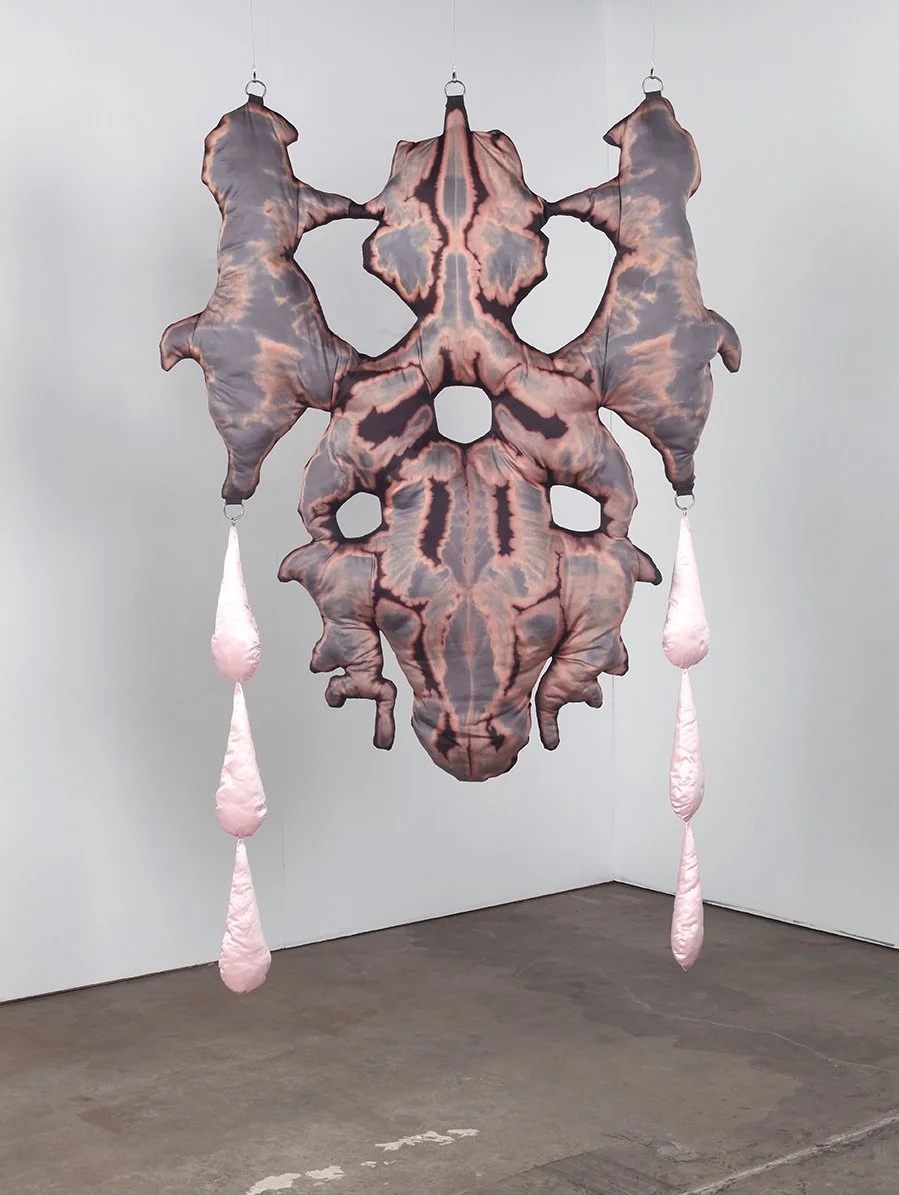
The Shape We Take At Night
China Heights
16 October - 7 November 2026
Owen Leong is participating in The Shape We Take At Night, a group exhibition curated by Yang Zhi, Assistant Curator, Biennale of Sydney. Bringing together nine artists, the exhibition explores the ways bodies, identities and desires take shape after dark, with Leong joining Alannah Dair, Ellen Ferrier, Jacquie Meng, Linda Sok, Isabel Trufas, Kawita Vatanajyankur, Jenkin van Zyl and Bonnie-Jean Whitlock.
Art Omi
New York
18 June - 13 July 2026
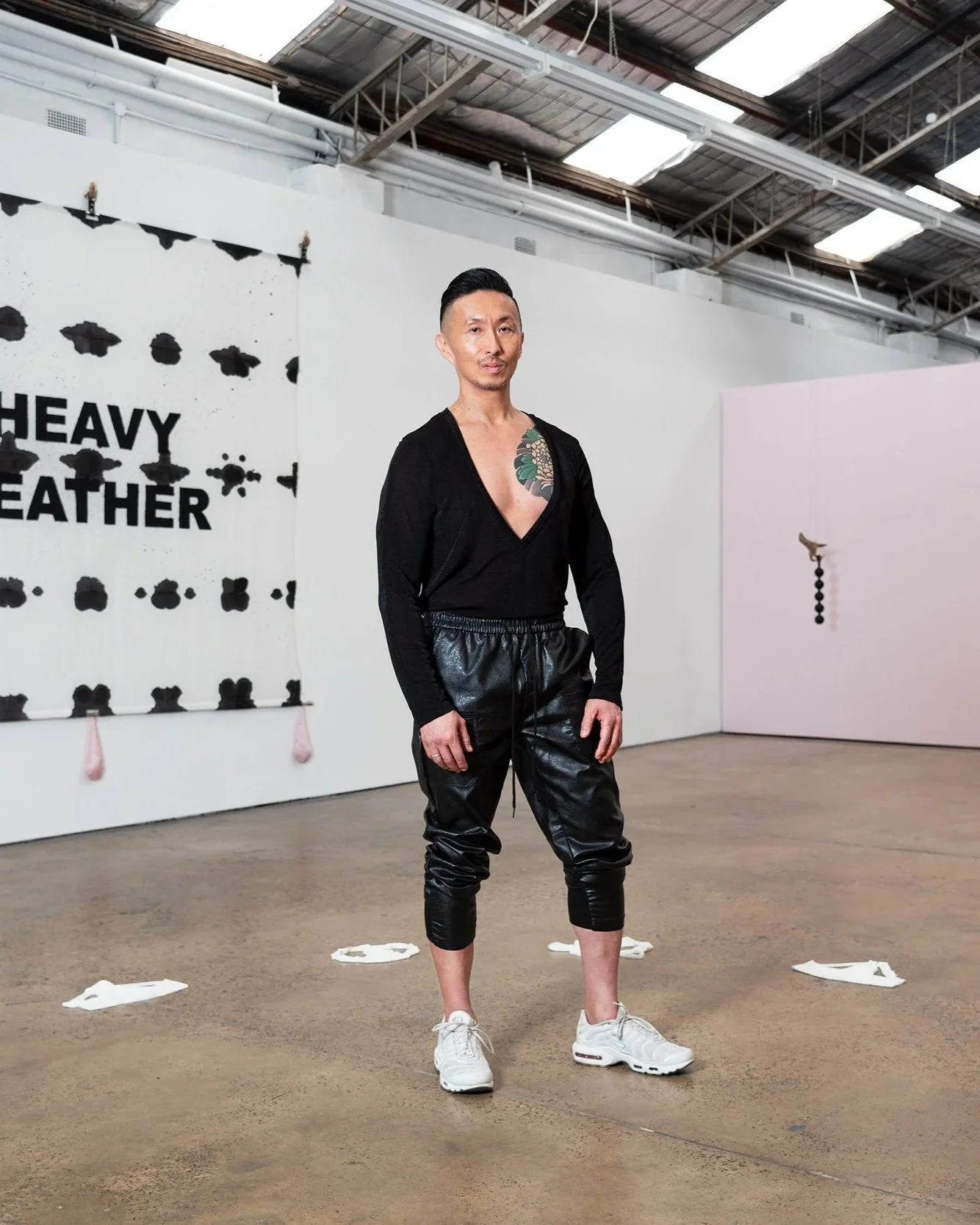
Owen Leong was invited to the Art Omi artists-in-residence program in New York, USA, with the support of an Art Omi Australia Committee Fellowship.
Art Omi invites two dozen artists from around the world to gather in rural New York each summer to experiment, collaborate, and share ideas. Concentrated time for creative work is balanced with the stimulation of cultural exchange and critical dialogue. Artists engage with the critics-in-residence and meet with arts professionals who conduct studio visits during the program.
Since its founding in 1992, Art Omi has been guided by the principle that artistic expression transcends economic, political, and cultural boundaries. Art Omi has hosted more than 2,400 artists from over 114 countries. Art Omi believes that exposure to internationally diverse creative voices fosters acceptance and respect, raises awareness, inspires innovation, and ignites change. By forming community with creative expression as its common denominator, Art Omi creates a sanctuary for the artistic community and the public to affirm the transformative quality of art.
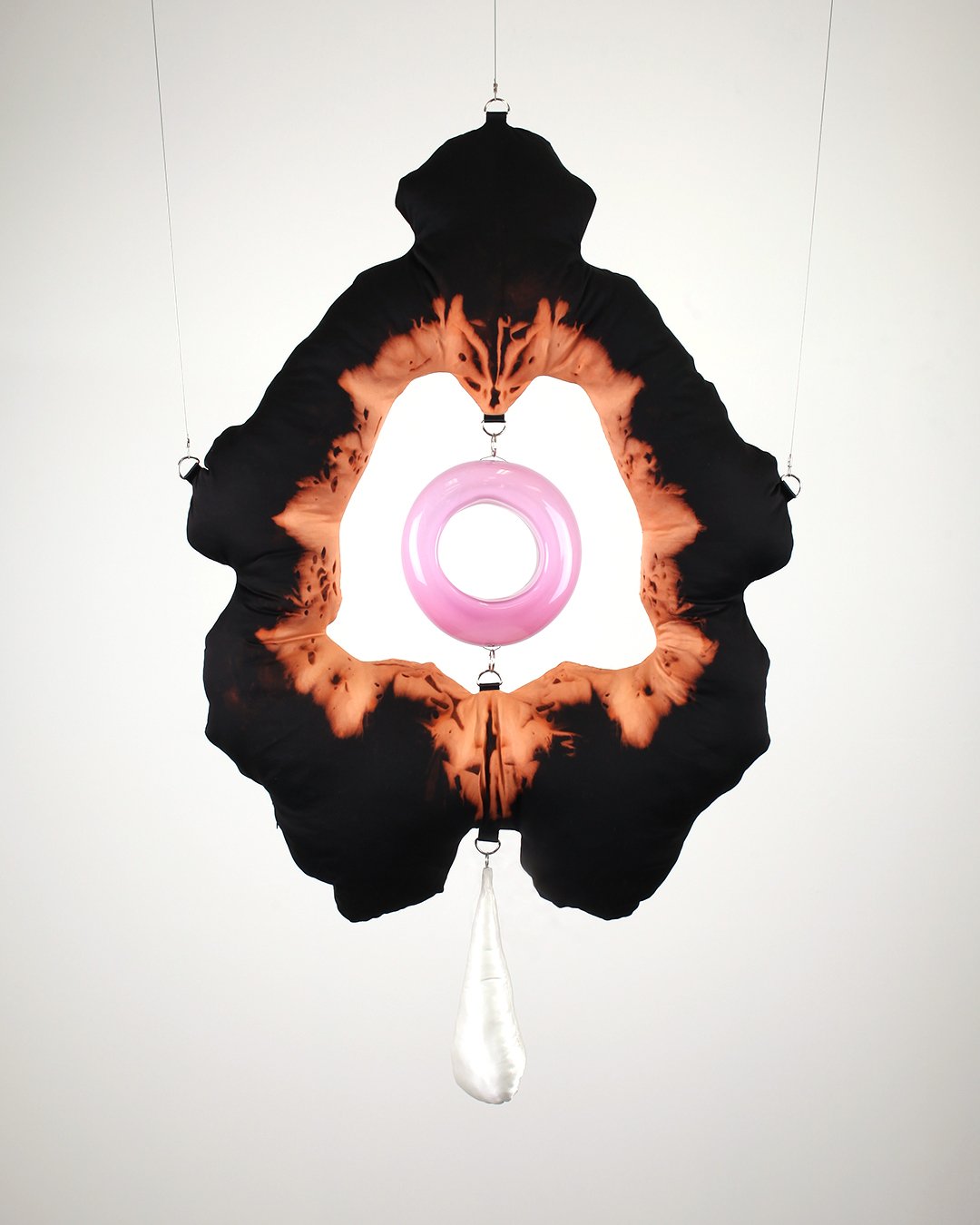
Heavy Leather
SYRUP
6 June - 4 July 2026
Heavy Leather explores pleasure as power, resistance, and healing. Deconstructed bed sheets, jock straps, silk, rubber, bronze, and glass carry the materiality of touch and tenderness. This body of work approaches dominance and submission as gestures of care and consent, inviting the viewer into a ritual space of devotion where power exchange unfolds as a language of intimacy. Inspired by Audre Lorde’s seminal essay ‘Uses of the Erotic: the Erotic as Power’, research undertaken at the Leather Archives & Museum in Chicago, and the work of feminist and queer activists, this exhibition emerges from histories of collective resistance, community empowerment, and shared practices of queer joy.

Twin Lanterns
Western Sydney University Art Collection
Twin Lanterns has been acquired by the Western Sydney University Art Collection, which is comprised of over a thousand objects including paintings, works on paper, photographs, mixed media sculptures and ceramics by Australian artists.
First exhibited in Owen Leong’s solo exhibition Bitten Peach 分桃, this work marks a pivotal moment in his practice, which reimagines identities and intimacies by exploring power, control, and care through personal mythologies and kink aesthetics. At the heart of Leong’s practice is a belief in the power of art to transform the way we see ourselves and others.

Conversations from the Collection
Newcastle Art Gallery
Conversations from the Collection is a Newcastle Art Gallery podcast series. Hear inspiring and thought-provoking stories from renowned artists who have contributed to Newcastle Art Gallery’s iconic collection. This six-part summer listening series dives deep into the experiences behind the artists' work to explore how life informs art. Season 2 features Lottie Consalvo, Jemima Wyman, Lindy Lee, Tina Havelock Stevens, Janet Fieldhouse and Owen Leong.
For the past two decades Owen Leong has developed a highly personal art practice that spans sculpture, photography, video, and installation. Through the lens of his own identity as a queer person of colour, Owen examines the social, political, and cultural forces that impact our lives. Often centring his own body within the frame, Owen has used his practice as a way to locate himself within the world.
In this conversation, Owen talks about the steely determination he has needed to pursue his career and why his decision to undertake a Master of Fine Art at the University of NSW was viewed as 'somewhat controversial' by his family.

Owen Leong was invited to write an artistic process essay in issue 64 of Artist Profile.
“Looking back over my artistic practice, I can clearly see the signposts leading to what I’m making in the studio today. In recent years, I have been playing with cycles of creation and destruction: casting my body in gypsum and concrete, smashing these casts into pieces, and reforming them into new sculptural forms to be cast once again. Having worked with my own body for two decades, I now realise this moment was a gradual process of disappearing my body while hiding it in plain sight, like a magician slowly vanishing from the stage. I am gradually moving away from figurative work (physical or photographic) towards non-representational forms, and I’m enjoying the mystery, play, and discovery of sculptural materiality.”